
Compliance change monitoring for
letting and property management teams
We monitor relevant regulatory and operational updates and turn them into clear internal briefings with source links, affected roles, and recommended next steps.
Request a Sample Brief
THE OPERATIONAL GAP
The problem is not access to updates
It is turning them into action
Teams are not asking whether to react.
They are asking what changed, who is affected, and what needs to happen next.

Too many sources, no clear priority
Government pages, local notices, legal commentary, and sector updates are scattered across too many channels.

Teams spend time interpreting instead of acting
The issue is not finding updates. It is knowing what matters operationally and what to do next.

Delayed responses create avoidable risk
When updates are missed or shared too late, teams react under pressure, escalate issues internally, absorb avoidable costs.
WHAT YOUR TEAM RECEIVES
A structured brief your team can act on
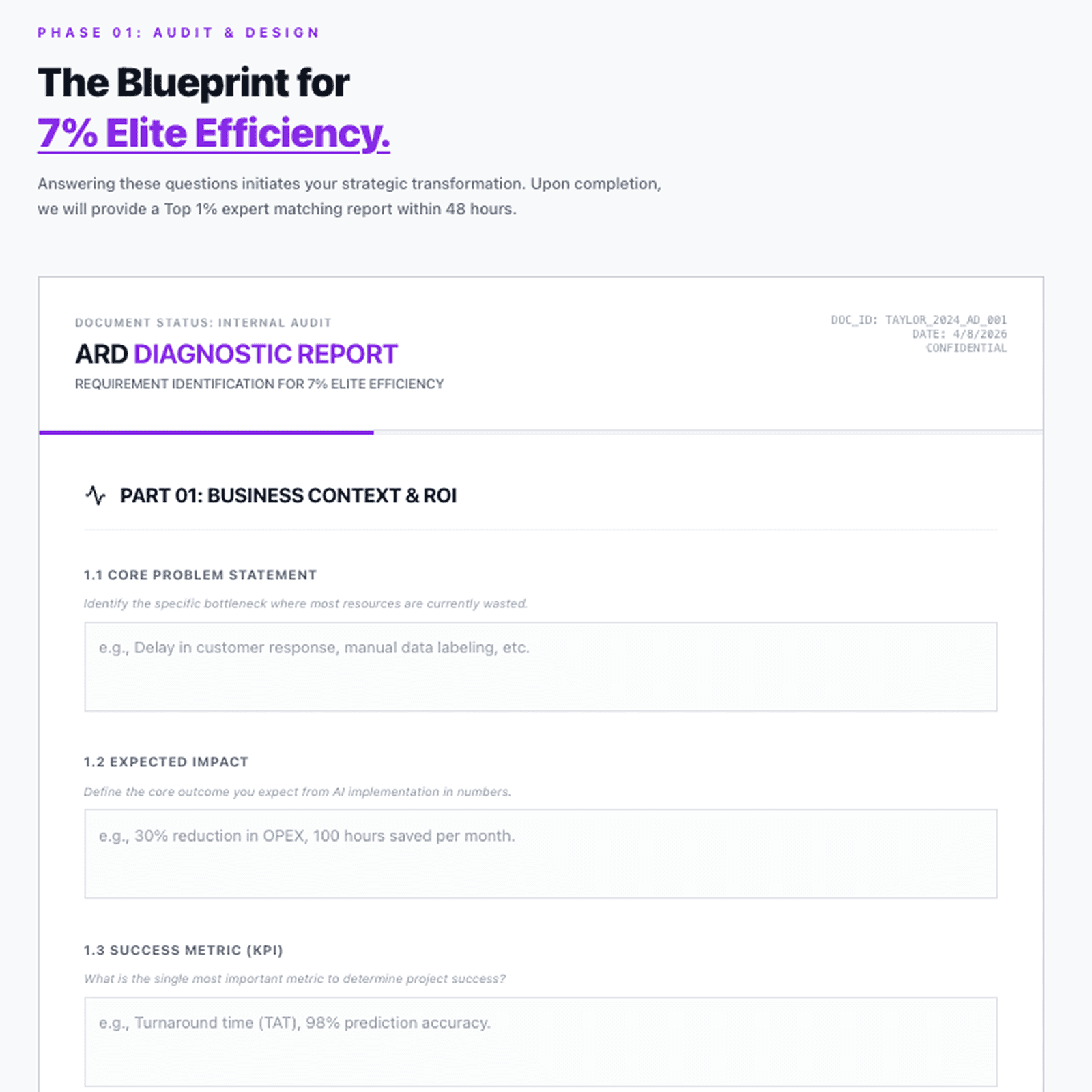
Each brief highlights what changed, why it matters, who is affected, and what your team should do next — with source links and review status included.

Track relevant changes
Understand why they matter
See who is affected
Take the next operational step
HOW IT WORKS
Your team receives the right update in the right format
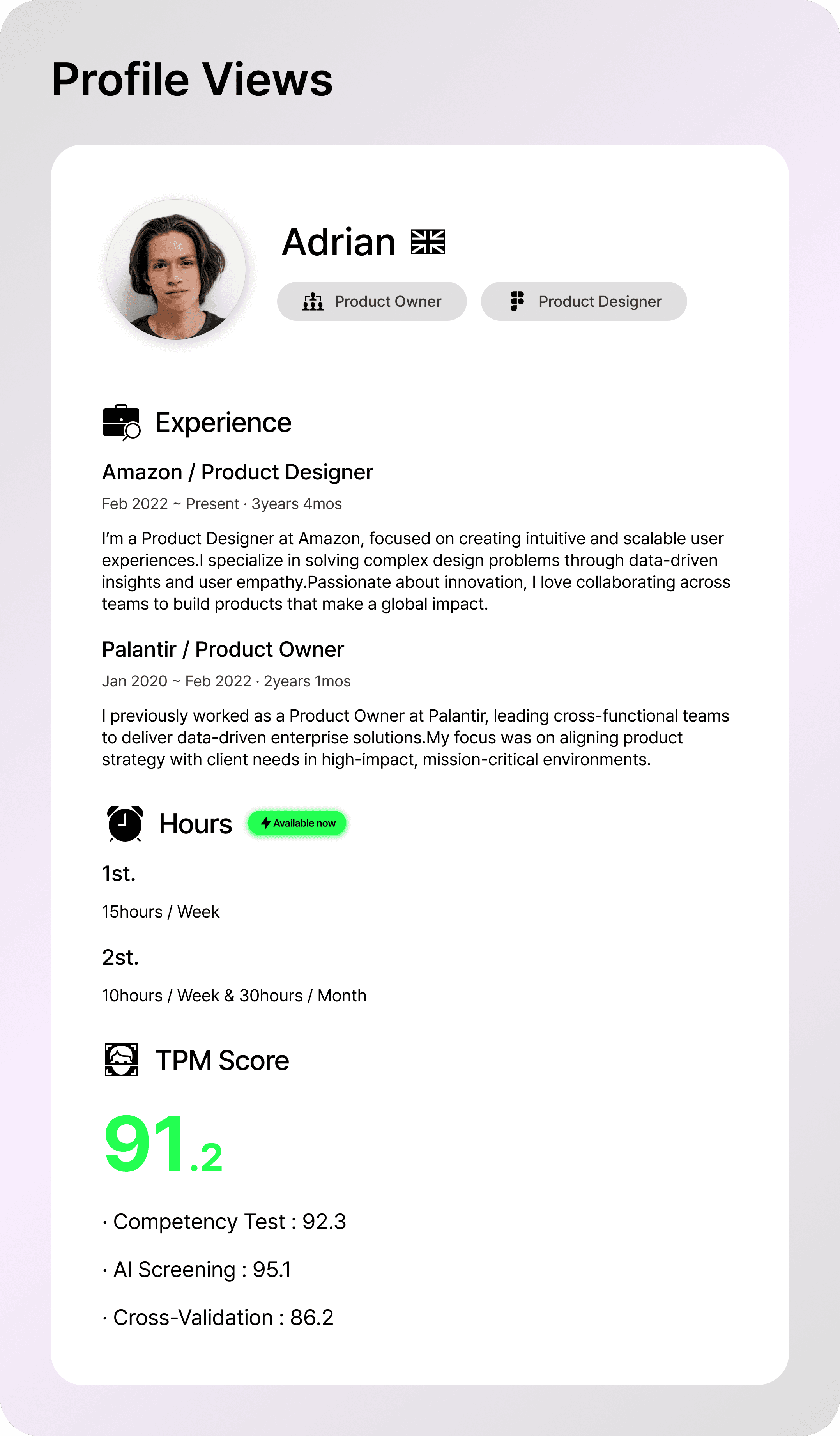
Get matched with top 1% screened experts within 48 hours for immediate execution.
We monitor relevant official and sector sources
We turn changes into structured operational briefs
Your team sees who is affected and what happens next

Why generic alerts fail
Most update tools stop at information
Teams need operational clarity
Newsletters, search tools, and legal commentary help teams stay informed.
They do not reliably show what changed, who is affected, and what should happen next.
Generic alerts
Useful for visibility, but rarely prioritised for your team or workflows.
Legal commentary
Helpful for interpretation, but not built for internal routing or day-to-day operational response.
Taylor briefings
Structured around what changed, why it matters, who is affected, and what your team should do next.